
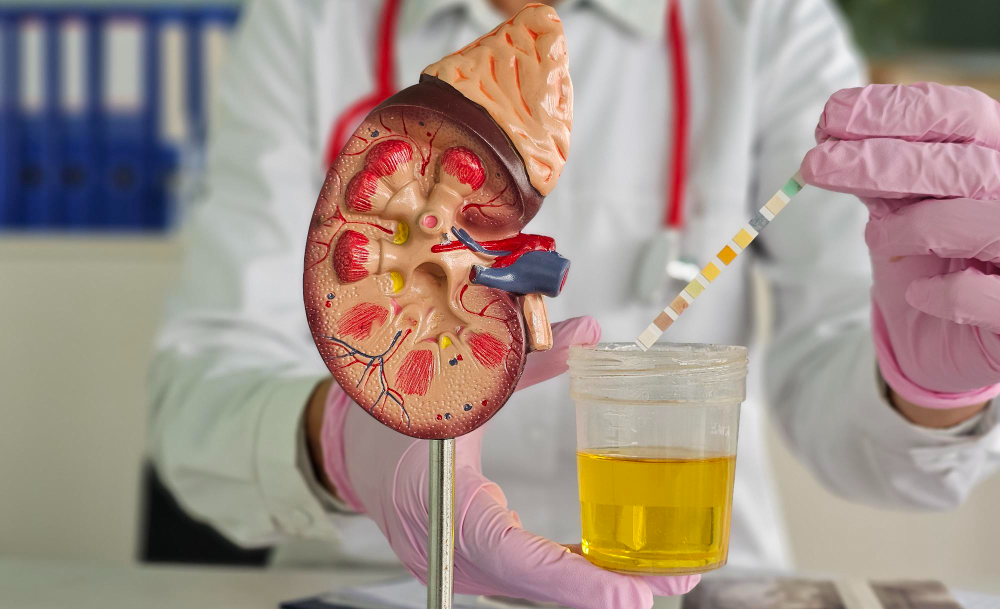
Introduction to Kidney Function Tests
Your kidneys play a key role in keeping your body healthy. They remove waste and extra fluid from your blood. Kidney function tests help check how well your kidneys are working. These tests are important because they can find problems early. Early detection can lead to better treatment and healthier lives. According to the CDC, millions of people have kidney disease and do not know it. So, regular kidney function tests can help protect your health.
Common Types of Kidney Function Tests
Doctors use several tests to check kidney health. Each test gives different information about how your kidneys work. Here are the most common kidney function tests:
Each of these tests helps your doctor understand your kidney health. Sometimes, more than one test is needed for a clear picture.
Symptoms or Reasons for Needing Kidney Function Tests
Many people do not notice kidney problems at first. However, some signs may suggest you need kidney function tests. For example, you may need these tests if you have:
If you notice any of these symptoms, it is wise to talk to your doctor. Early testing can help prevent serious problems.
How Kidney Function Tests Are Performed
Most kidney function tests are simple and quick. For blood tests like BUN, creatinine, and GFR, a nurse will take a small sample of your blood. For urinalysis, you will be asked to provide a urine sample. Usually, these tests are done at a clinic or hospital. The process is safe and does not take long. After the samples are collected, they are sent to a lab for analysis. Your doctor will review the results and explain what they mean.
How to Prepare for Kidney Function Tests
Preparing for kidney function tests is usually easy. Still, your doctor may give you special instructions. For example, you may need to:
Always follow your doctor’s advice. If you have questions, ask before the test. This will help you get the most accurate results.
Understanding Test Results
After your tests, your doctor will explain the results. Normal results mean your kidneys are working well. However, abnormal results may show a problem. For example:
Sometimes, abnormal results do not mean you have kidney disease. Other factors, like dehydration, can affect results. Therefore, your doctor may repeat tests or order more checks to be sure. Understanding kidney test results can help you take steps to protect your health.
Lifestyle Tips for Kidney Health
Keeping your kidneys healthy is important for your whole body. Here are some tips to support kidney health:
Even small changes can make a big difference. Over time, healthy habits can protect your kidneys.
Prevention and Early Detection
Preventing kidney disease is easier than treating it. Regular kidney function tests can catch problems early. If you have risk factors like diabetes or high blood pressure, ask your doctor about testing. Early detection means you can start treatment sooner. This can help prevent serious kidney damage. The World Health Organization recommends regular check-ups for people at risk.
When to Consult a Healthcare Provider
If you have symptoms of kidney problems or risk factors, do not wait. Schedule a visit with your healthcare provider. They can recommend the right kidney function tests for you. Early action can help you stay healthy and avoid complications.
If you have symptoms or risk factors, talk to your doctor about getting tested. Consult Yashwant Diagnostic Centre for personalised advice and kidney function test guidance.