
Introduction
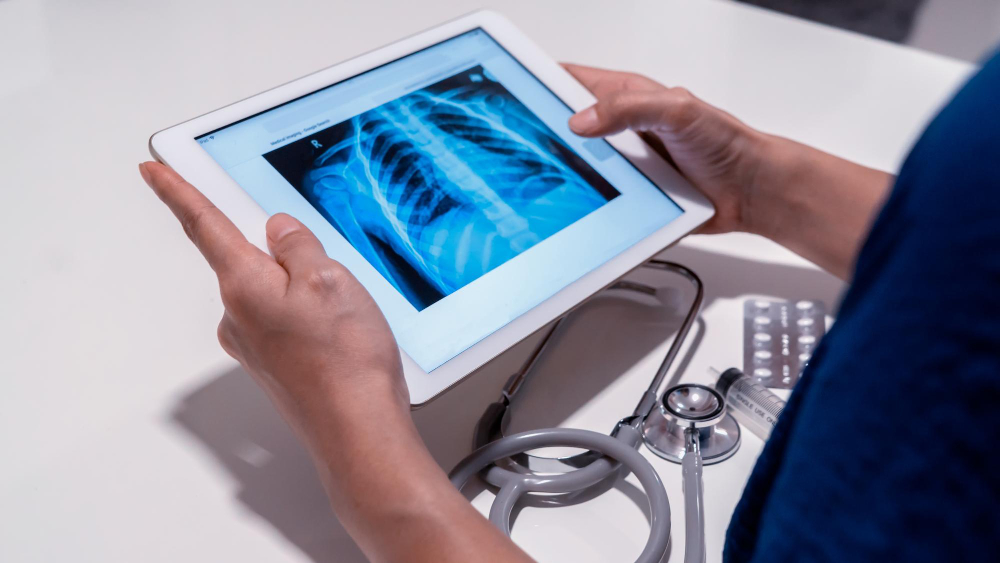
Digital x-ray is a modern way to take pictures inside your body. Doctors use it to find and treat many health problems. Unlike old x-rays, digital x-rays use computers to make images. As a result, these images are clearer and faster to get. Digital x-rays are important because they help doctors see bones, lungs, and other organs quickly. This means you can get the right care sooner. Many clinics and hospitals now use digital x-rays because they are safe and easy for patients.
How Digital X-Rays Work
First, a machine sends a small amount of x-ray beams through your body. Then, a special digital sensor catches the beams on the other side. After that, a computer turns the signals into a clear image. Because the process is fast, doctors can see the results in seconds. In addition, digital x-rays can be shared easily with other doctors if needed. This helps with quick and accurate care. Many people wonder how digital x-rays work, but the process is simple and safe for most patients.
Common Uses of Digital X-Rays
Doctors use digital x-rays for many reasons. For example, they help find broken bones or joint problems. Also, digital x-rays can show lung infections or heart issues. Dentists use them to check teeth and gums. In some cases, digital x-rays help find tumors or other growths. Here are some common uses:
Benefits of Digital X-Rays
Digital radiography benefits both patients and doctors. First, images are ready in seconds, so you spend less time waiting. Second, digital x-rays use less radiation than old methods. This makes them safer for most people. Also, the images are clearer, which helps doctors make better decisions. Here are more benefits:
Because of these benefits, many clinics in cities like New York and Los Angeles now use digital x-rays every day.
Safety and Risks
Many people ask about digital x-ray safety. In most cases, digital x-rays are very safe. They use less radiation than old x-rays. However, there is still a small risk from the radiation. For most people, this risk is very low. Pregnant women should tell their doctor before getting an x-ray. Sometimes, doctors may suggest other tests if you are pregnant. According to the World Health Organization, the benefits of digital x-rays often outweigh the risks. Still, it is important to use them only when needed.
What to Expect During a Digital X-Ray
Before the test, you may need to remove jewelry or metal objects. Next, a technician will help you get into the right position. You may need to stand, sit, or lie down. Then, the machine will take the x-ray. The process is quick and painless. Usually, you will be done in a few minutes. After the test, you can go back to your normal activities. Because digital x-rays are fast, your doctor may see the results right away.
Frequently Asked Questions
Conclusion
Digital x-rays are a safe, fast, and clear way to help doctors see inside your body. Because they use less radiation and give quick results, they are a good choice for many people. If you have questions about digital x-ray safety or need an x-ray, consult a radiology specialist at Yashwant Diagnostic Centre for personalized advice.